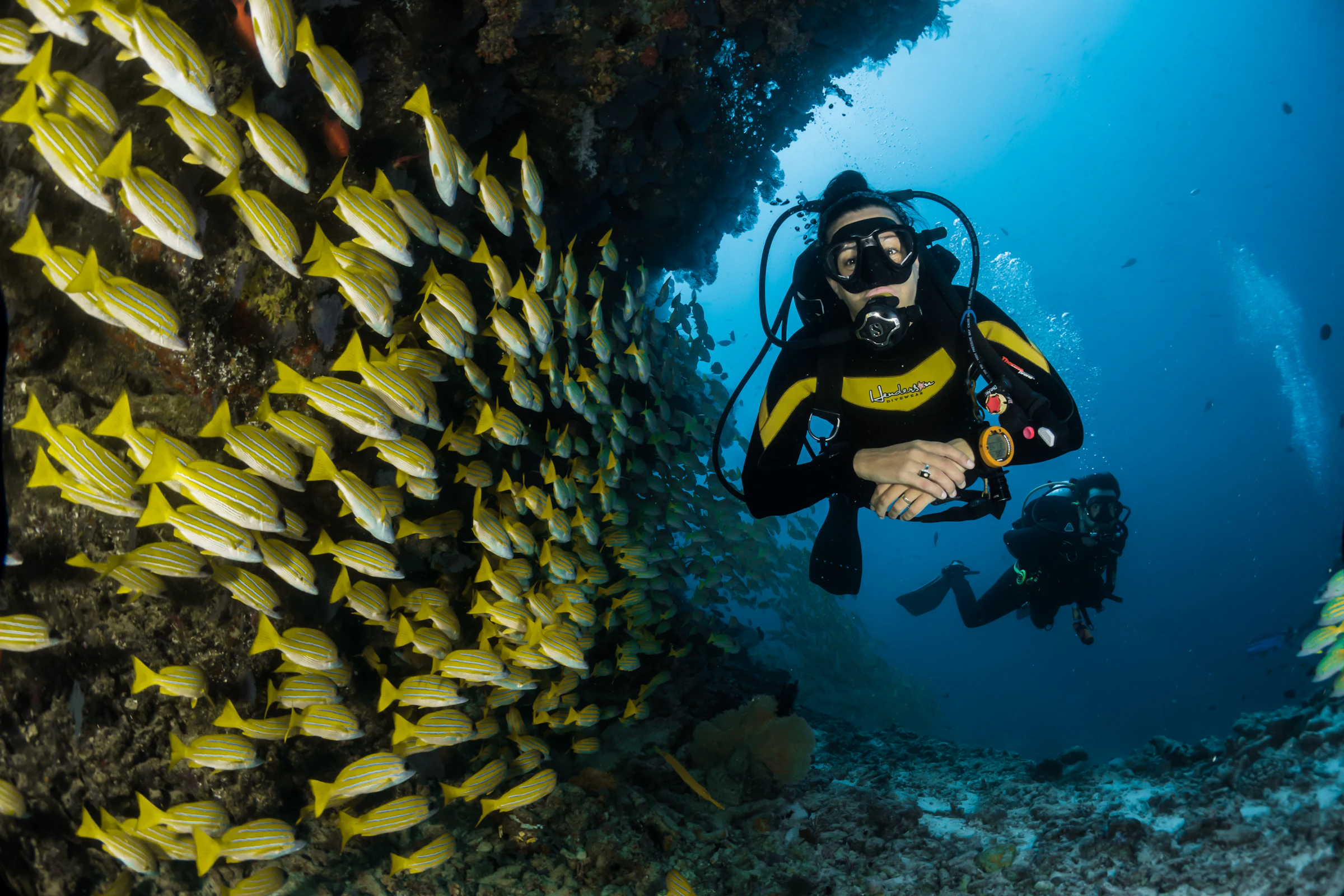
Scuba diving in Andaman guide for beginners: Best dive sites in Havelock Island, PADI certification costs, non-swimmer intro dives, and coral reef safety.
Exploring India's Pristine Underwater Realm in the Bay of Bengal (Scuba diving in Andaman guide for beginners)
Planning for Scuba diving in Andaman guide for beginners requires smart route advice and local insights.
The Andaman and Nicobar Islands offer India's most vibrant coral reefs, crystal-clear turquoise waters with 20 to 30-meter visibility, and rich marine biodiversity ranging from manta rays and sea turtles to colorful clownfish and coral gardens. Havelock Island (Swaraj Dweep) and Neil Island (Shaheed Dweep) are the undisputed scuba diving capitals of South Asia. Whether you are a complete non-swimmer trying a 45-minute Shore Discover Scuba Dive (DSD) or an adventure seeker pursuing your international PADI or SSI Open Water Diver certification, the Andaman archipelago provides a world-class diving experience.1. Discover Scuba Diving (DSD) for Non-Swimmers
You do not need to know how to swim to experience scuba diving in Andaman:- How It Works: An experienced PADI-certified dive instructor accompanies you 1-on-1 throughout the entire dive, managing your buoyancy, air regulator, and depth while holding your hand.
- Duration & Depth: Includes 30 minutes of shallow-water breathing training followed by a 40 to 45-minute guided underwater dive reaching depths of 6 to 10 meters.
- Cost: Shore DSD costs ₹3,500 to ₹4,500 per person; Boat DSD (diving from an offshore boat into deeper coral reefs) costs ₹5,500 to ₹7,000 per person including underwater photos and HD video.
For travellers looking for verified hotel stays, private chauffeur transfers, and flexible sightseeing, explore our handcrafted domestic and international tour packages.
2. Top Dive Sites in Havelock Island
- Elephant Beach & Nemo Reef: Shallow, calm fringing reef packed with sea anemones, clownfish, parrotfish, and gentle sandy seabed slopes. Perfect for beginners and non-swimmers.
- The Wall: A dramatic underwater submerged cliff dropping to 55 meters, teeming with giant groupers, barracudas, and purple soft corals. (Advanced divers).
- Dixon's Pinnacle: Three massive underwater pinnacles acting as cleaning stations for majestic manta rays and reef sharks.
To plan your route and daily timings in more detail, read our detailed guide to Diving in the Andamans.
3. Crucial Diving Safety and Flight Timelines
The single most critical medical rule in scuba diving is avoiding decompression sickness:- The 18–24 Hour No-Fly Rule: After completing a single dive, you must wait at least 18 hours before boarding a commercial airplane. After multiple repetitive dives over 2+ days, you must wait at least 24 hours before flying.
- Never schedule your scuba dive on the same day as your return flight from Port Blair (IXZ). Always dive on Days 2, 3, or 4 of your Andaman itinerary.
Essential Packing Checklist and Gear Recommendations for Scuba Diving in Andaman Guide for Beginners: Havelock & Neil Island
Proper packing ensures complete comfort and eliminates emergency purchases during your trip:- Universal Power & Electronics: Carry a universal travel plug adapter with surge protection and at least 3 USB-C/USB-A fast charging ports. Keep power banks (maximum 20,000mAh) strictly in hand luggage.
- Climate-Appropriate Fabrics: Pack breathable, lightweight cotton or linen garments for tropical coastal destinations, or high-grade thermal merino wool base layers and down jackets for sub-zero alpine valleys.
- Footwear Ergonomics: Carry two pairs of footwear—cushioned, broken-in walking sneakers for long sightseeing days and lightweight slip-on sandals for temples, resorts, and hotel rooms.
- Personal Medical Kit: Pack personal prescription drugs in original packaging, motion sickness tablets (Avomine / Ondansetron), antacids, probiotic rehydration sachets (ORS), paracetamol, and water-resistant SPF 50+ broad-spectrum sunscreen.
Forex, Digital Payments, Cash Handling and Zero-Markup Card Strategies (Scuba diving in Andaman guide for beginners)
Managing your vacation finances efficiently protects you from high bank conversion fees and currency exchange traps:- Zero Forex Markup Cards: Utilize modern zero-forex debit or credit cards (such as Niyo, Fi, or Scapia) that charge 0% currency conversion markups over the interbank exchange rate, saving 3.5% to 5% on every transaction compared to traditional Indian bank cards.
- Local Currency Cash Reserves: Maintain a moderate reserve of local currency cash for small street vendors, island speedboats, auto/tuk-tuk drivers, and gratuities. Withdraw cash directly from bank-affiliated ATMs rather than standalone airport kiosks.
- UPI & Digital Wallets: In domestic Indian destinations, UPI (Google Pay, PhonePe, Paytm) is accepted almost universally across hotels, cafes, and authorized souvenir shops. In international hubs, linking your card to local super-apps like Grab or Gojek enables seamless cashless mobility.
Vegetarian, Jain, and Family Dining Solutions for Indian Travellers
Food is an integral part of holiday enjoyment, and having reliable dietary options prevents unnecessary stress:- Pure Vegetarian & Jain Availability: Major tourist destinations across both India and international circuits feature established North Indian and South Indian restaurants serving freshly prepared dal, paneer dishes, dosas, and vegetarian thalis.
- Communicating Dietary Preferences: When dining at local international eateries, learn key dietary phrases (such as asking for 'Jae' in Thailand or 'Quan Chay' in Vietnam) to ensure plant-based preparation without animal broths, fish sauce, or shrimp paste.
- Drinking Water Standards: Always consume sealed bottled mineral water or water purified through reverse osmosis systems to protect your digestive health throughout your journey.
Step-by-Step Travel Planning Timeline and Pre-Departure Roadmap
Follow this structured 4-step preparation timeline for a flawless holiday:- 4 to 8 Weeks Before Departure: Finalize your flight itinerary, confirm verified hotel accommodations with flexible cancellation terms, and apply for relevant eVisas or national permits.
- 2 to 3 Weeks Before Departure: Pre-book high-demand attraction tickets (such as cable cars, observation decks, and luxury boat cruises) online at official rates to skip long ticket counter lines.
- 1 Week Before Departure: Purchase international travel insurance with emergency medical hospitalization cover, notify your bank of overseas travel dates, and install destination transit and ride-hailing apps.
- 48 Hours Before Departure: Complete online airline web check-in, download offline Google Maps and digital boarding passes, and weigh all checked luggage with a portable digital scale to avoid airport excess baggage fees.
Why Booking a Managed Holiday Package Offers Superior Peace of Mind
While independent travel is rewarding, navigating complex multi-city transfers, language barriers, mountain taxi unions, and peak-season hotel surcharges can consume significant vacation time and energy. By partnering with Tripero Tours, you benefit from:- Handcrafted Private Routes: Customized daily pacing tailored to your specific family rhythm, dietary choices, and sightseeing preferences.
- Verified 4-Star and 5-Star Accommodations: Pre-inspected properties offering exceptional comfort, central locations, and reliable family amenities.
- Dedicated Private Transfers: Professional, licensed, English/Hindi-speaking chauffeurs and modern air-conditioned vehicles dedicated exclusively to your group throughout the journey.
- 24/7 On-Ground Concierge Assistance: Dedicated travel specialist support available via WhatsApp and phone from the moment your flight lands until your return home.
Neighborhood & Accommodation Selection Deep Dive (Scuba diving in Andaman guide for beginners)
Choosing the right area to stay is essential for reducing daily transit times and enjoying comfortable evenings:1. Prime Central Hubs
- Family-Friendly Districts: Look for well-lit avenues with wide sidewalks, proximity to rapid transit stations, and plenty of dining choices within a short walk.
- Heritage & Boutique Quarters: Offer authentic cultural immersion, historic architecture, and unique character, ideal for couples and culture enthusiasts.
2. Critical Room Amenities to Verify Before Booking
- Climate Control & Heating/AC: In cold alpine destinations, verify 24-hour electric heated blankets, oil radiators, or centralized HVAC. In tropical locations, ensure whisper-quiet individual air conditioning.
- Family Bedding Configurations: Always check whether rooms offer two queen beds or space for rollaway extra beds to prevent last-minute hotel upgrade surcharges at check-in.
- Breakfast Inclusions: Opt for buffet breakfast plans with multi-cuisine offerings including made-to-order eggs, fresh fruits, and Indian vegetarian breakfast staples like poha, idlis, or parathas.
Local Culinary Culture, Street Food Safety, and Pure Vegetarian Dining
Experiencing authentic local dining while maintaining complete stomach comfort:1. Dietary Communication Tips for Indian Visitors
- Vegetarian & Vegan Clarity: Clearly inform servers of your dietary requirements. In Southeast Asia, mention 'Jae' or 'Quan Chay'; in Europe, specify 'pure vegetarian without meat stock or gelatin'.
- Authentic Indian Restaurants: All major tourist centers feature established North and South Indian restaurants run by Indian chefs serving authentic curries, biryanis, and tandoori breads.
2. Safe Dining & Hydration Best Practices
- Eat at busy eateries with high customer turnover where ingredients are cooked fresh to order at high temperatures.
- Drink only factory-sealed bottled mineral water or RO-purified water. Avoid crushed ice from unverified street stalls.
- Carry probiotic rehydration sachets (ORS) and digestive enzymes in your daily daypack.
Currency, Digital Payments, Forex Cards, and Tipping Etiquette
Managing your travel expenses smoothly and avoiding unnecessary transaction fees:1. Zero Forex Card Advantages
- Use zero-forex debit or credit cards that convert currencies at live Visa/Mastercard interbank rates with zero percent bank markup.
- Enable international transaction limits and app-based card freezing features for complete security.
2. Cash Management & ATM Withdrawals
- Carry a sensible reserve of local currency cash for small transit rides, tips, entry tickets, and night markets.
- Withdraw cash from bank-branch ATMs rather than standalone kiosks to prevent skimming risks.
- Tipping etiquette: Rounding up cab fares and leaving 5% to 10% in sit-down restaurants or ₹100–₹200 for luggage assistance is standard practice.
Comprehensive Packing Checklist and Essential Travel Gear
Pack smart with this comprehensive preparation checklist:- Luggage Organization: Use lightweight compression packing cubes to separate tops, bottoms, innerwear, and laundry, saving up to 40% luggage space.
- Electronics & Power: Carry a universal travel plug adapter with surge protection, multiple USB-C ports, and portable power banks (carried strictly in hand luggage).
- Footwear Comfort: Bring cushioned walking sneakers for full-day sightseeing and slip-on sandals for temples and hotel rooms.
- Medical Essentials: Keep personal prescriptions, motion sickness tablets (Avomine), paracetamol, antacids, bandages, and SPF 50+ sunscreen readily accessible.
Emergency Protocols, Travel Insurance, and Safety Guidelines
Safety and preparedness for complete peace of mind:- Overseas Travel Insurance: Never travel without comprehensive medical insurance covering emergency hospitalization, trip cancellation, and baggage loss.
- Document Backups: Store color PDF scans of your passport, visa, and insurance policy in secure cloud storage (Google Drive / iCloud / DigiLocker).
- Emergency Assistance: Keep emergency local police numbers and the nearest Indian Embassy or Consulate helpline saved on your phone.
Have questions about planning this journey? Connect with the verified travel assistance from Tripero Tours for custom dates, hotel upgrades, and on-trip WhatsApp support.
Frequently Asked Questions
Do I need to know swimming to do scuba diving in Andaman?
No. Discover Scuba Diving (DSD) programs are designed specifically for beginners and non-swimmers with a dedicated 1-on-1 certified divemaster assisting you underwater.
Can I fly immediately after scuba diving in Andaman?
No. You must wait at least 18 to 24 hours after scuba diving before boarding any commercial flight to avoid serious decompression risks.

.jpg)